CAREER RESEARCH PROJECT:
ANESTHESIOLOGIST
JOB BENEFITS AND JOB DRAWBACKS
-
-
ANESTHESIOLOGIST JOB DECRIPTION
-
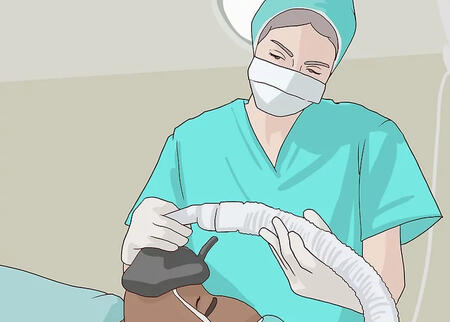
Anesthesiologists are doctors who manage the drugs that prevent patients from feeling pain or sensation during the surgery. Anesthesiologists are also responsible for the well-being of the patients before, during, and after the surgery.
-

-
ANESTHESIOLOGIST SALARY
-
- The annual salary of an anesthesiologist is $308000 per year or $185 per hour.
- Entry level positions start at $251000 per year while the top earners make $400000 annually.
- Anesthesiologists spend a minimum of eight years of postgraduate work and the profession is in high demand as seen in the salary.
-

-
EDUCATION REQUIREMENTS
-
- Four years of pre-medicine education where they would take the prerequisite science courses that they would need to be qualified into medical school.
- Four years of medical school, specializing in anesthesiology.
- An MD (doctor of medicine) who wants to become a fully licensed anesthesiologist must complete an anesthesiology residency which is usually five years.
- Once residency is completed, MDs must pass the qualification exam of the Royal College of Physicians and Surgeons of Canada.
In short; 4 years of undergraduate studies, 4 years of master's, 5 years of residency, and all the exams in between.
-

-
REQUIRED SKILLS / TYPE OF WORK
-
REQUIRED SKILLS:
- Good communication skills; to effectively communicate with patients, their families, and other members of the medical team.
- Skilled Hands; being careful and thorough as they will be inserting tubes into a patient’s body accurately and quickly.
- Emotionally Stable; can make decisions in emergencies.
- They must also be willing to study throughout their career to keep up with medical advances.TYPE OF WORK
- Anesthesiologists who work in hospitals may have to work long hours, sometimes up to 65 hours a week.
-
-
JOB BENEFITS
-
- Good level of job security; all hospitals and surgical centers need anesthesiology experts to manage and monitor procedures.
- Entry Level Jobs; junior anesthesiologists and recent graduates can find jobs quickly and easily.
- There is diversity in the practice; unless you become a specialist, you can work in various departments, including research, pediatrics, critical care, etc.
- Controllable Lifestyle; some part-time employees and contract anesthesiologists can choose the hours, days, and time they work. Anesthesiologists are also unbothered on days off and are given long vacations.
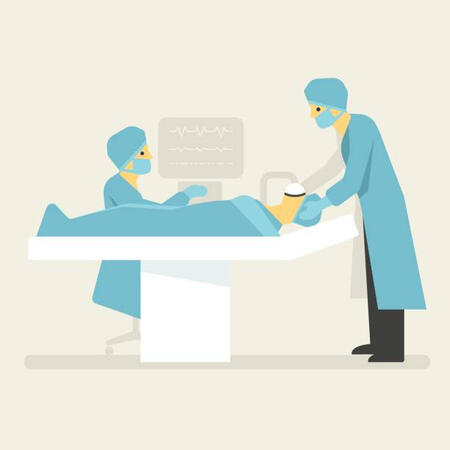
- Patient interaction; My personal reason as to why I see myself enduring so much for this career path is patient interaction. To have the ability to put a patient’s anxiety and fears at rest prior to surgery can be rewarding since surgery could be one of the most frightening experiences many patients will have to encounter.
-
-
JOB DRAWBACKS
-
- Extended Studies and Training; it takes at least eight to twelve years after high school to be officially licensed and certified.
- Pressure to Succeed; in this specific career, there is no room for mistakes as the smallest miscalculation can be life-threatening.
- Stress; An anesthesiologist would have to treat high-risk patients and ensure their safety in critical conditions.
For right now, I can’t imagine the stress of being responsible for a patient’s life but keeping in mind all these drawbacks, the 10+ years of education and training seems necessary.
-

-
OPPORTUNITIES FOR ADVANCEMENT
-
Opportunities for advancement can come in many forms. The most common is to do a fellowship, which is one or more additional years of training to practice in a sub-specialty area of anesthesiology, such as cardiac anesthesiology or pain management. Additional duties vary depending on the specialty.
-
-
Day in the Life
-
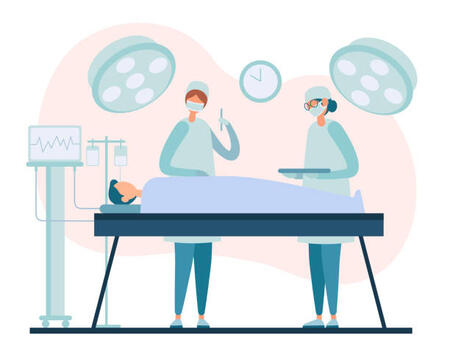
0530 – Wake up, eat breakfast, get ready, drive to the hospital.0645 – Arrive at the hospital, get into scrubs, make your way to the operating room to prepare the monitors you will be using.0700 – Meet your first patient of the day, the patient will make their transition onto the operating table and you will connect them to the monitors.0725 – Give the patient their first anesthesia induction, depending on the head surgeon's instructions, you will give more or less as the surgery begins.0800 – Surgery begins, you'll be monitoring the blood pressure and heart rate as the surgery continues.1130 – Surgery ends, you discontinue all the anesthetic drugs and wait for the patient to regain consciousness. This takes 5 to 15 minutes.1145 – You and a fellow nurse connect the patient to monitors and document that the vital signs are within safe limits. While the patient is recovering, the nurse follows medical orders you’ve written. You’re also responsible for the patient’s safety and well-being as the day continues.1155 – Lunch break.1225 – You meet your second patient and go through the same procedure of the first patient, differentiating details depends on the type of operation.- Depending on the length of your anesthetic list, you may be finished by 1400 at the earliest. Seeing as surgeries are undetermined and have factors that extend it, as well as the recovery of the patient, you may finish in 1700 at the latest.
- If you are on-call, you may work all night until 0700 the next morning. When overnight happens, you will usually have the next day entirely off.
-